
Bariatric weight loss surgery pros and cons often come to mind the moment you step on the scale after years of failed diets, watching the numbers climb despite every effort. Simple walks leave you breathless, while concerns about diabetes and long-term health quietly grow. For millions facing obesity, the struggle goes far beyond appearance, increasing the risk of heart disease, joint pain, and metabolic disorders. Understanding the clinical evidence behind this option helps transform uncertainty into a clearer path forward.
Bariatric Weight Loss Surgery Pros and Cons: A Clinically Guided Perspective
Understanding bariatric weight loss surgery requires a balanced look at both its benefits and limitations. A structured, evidence-based overview allows patients to make informed decisions without assumptions or unrealistic expectations.
Potential Benefits Supported by Research
Clinical studies consistently highlight several advantages for appropriately selected patients:
- Sustained weight reduction that is generally more significant and longer lasting than lifestyle modification alone.
- Improved metabolic health, particularly in patients with type 2 diabetes and related conditions, when surgery is paired with regular medical follow-up.
- Enhanced quality of life for many individuals, including better physical mobility and improvement in sleep-related symptoms, depending on personal health factors.
Considerations and Limitations to Prepare For
Equally important is understanding the responsibilities and risks involved stomach surgery for weight loss:
- Surgical risks such as bleeding, infection, leakage, or blood clots differ based on the chosen procedure and individual health status.
- Risk of nutritional deficiencies over time requires routine monitoring and personalized supplementation strategies.
- Ongoing lifestyle responsibility, as surgery supports weight loss but does not replace long-term dietary and behavioral changes.
What Clinical Research Reveals About Post-Surgery Outcomes
This section focuses on measurable clinical outcomes, including weight changes, diabetes management, and the longevity of results.
When patients meet established medical criteria, evidence indicates that metabolic and bariatric surgery may provide superior outcomes compared to intensive medical therapy alone in certain cases.
Key Insights from Long-Term Studies
- Type 2 diabetes control: Long-term research demonstrates improved blood sugar regulation and higher remission rates following bariatric surgery compared to non-surgical management in selected populations.
- Long-term effectiveness: Multiple large-scale reviews report durable weight loss and sustained metabolic benefits several years after surgery for many patients.
- Importance of shared decision-making: Clinical guidelines stress the need to carefully weigh lasting benefits against long-term commitments and potential risks.
For this reason, evaluating bariatric weight loss surgery should always be based on an individual medical assessment rather than generalized outcomes or averages.
Risks you should discuss before choosing a procedure
Knowing the predictable challenges helps you prevent avoidable setbacks.
Common topics your surgeon should cover:
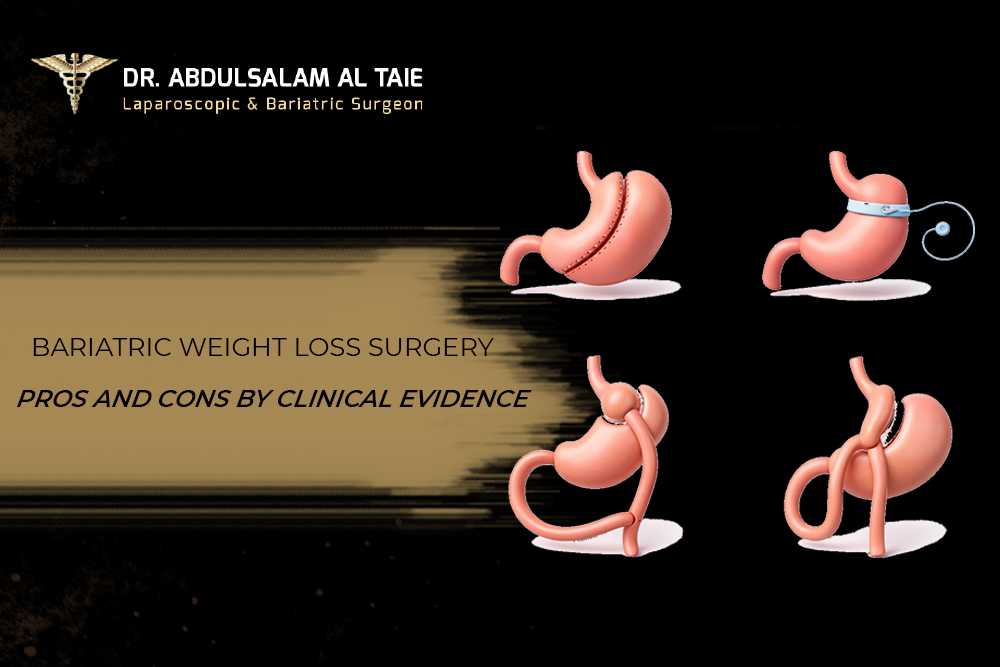
- Procedure-specific risks: Sleeve gastrectomy, gastric bypass, mini bypass, and revisional procedures each carry some risk like any operation and follow-up demands.
- Micronutrient deficiencies: in some cases, Iron, vitamin B12, folate, calcium, vitamin D, and fat-soluble vitamins are frequently discussed in the evidence especially with malabsorptive procedures. (watch this video)
- Need for long-term monitoring: Deficiencies can appear years later, which is why structured follow-up matters.
If you’re weighing bariatric weight loss surgery pros and cons, this risk-planning conversation is where good outcomes begin.
Who may benefit most from bariatric surgery in Dubai and the UAE
Eligibility is medical, not cosmetics and starts with a full clinical evaluation.
Typical factors considered in international practice and clinical reviews include:
- BMI level and obesity-related conditions (such as type 2 diabetes, sleep apnea, and hypertension).
- Previously structured weight-loss attempts and reasons they did not hold.
- Readiness for follow-up (nutrition, labs, lifestyle, and behavioral support).
A reputable center will treat bariatric weight loss surgery pros and cons as a personalized decision, not a one-size plan. (watch this video)
How to reduce complications and protect long-term results
The strongest outcomes come from surgery plus a system of care.
Evidence-based success habits include:
- Pre-op assessment and education to align expectations and select the right procedure.
- Ongoing nutritional surveillance with labs and targeted supplementation plans.
- Lifestyle structure (protein-first eating patterns, activity progression, sleep, and stress support).
Done well, the cons in bariatric weight loss surgery pros and cons become manageable, planned-for variables do not surprise.
Why Choose Dr. Abdulsalam Al Taie for Your Procedure
With over 35 years of experience and 75,000+ successful laparoscopic procedures, Dr. Abdulsalam Al Taie has been a pioneer in UAE bariatric surgery since 2003. He performed the Emirates’ first Roux-en-Y Gastric Bypass and Laparoscopic Sleeve Gastrectomy, innovating the Altaie Sling technique for 30-35 minute operations via three small incisions, reducing pain and speeding recovery.
- Pioneering expertise: UK-trained in top teaching hospitals; led laparoscopic surgery in Iraq (1995-2003).
- Complex case mastery: Handles BMI 90+ and sensitive histories with proven success. (watch this story)
- Personalized care: Comprehensive assessments tailor options like Sleeve, Bypass, or endoscopic procedures.
- Patient trust: Warm consultations build confidence; trains regional surgeons.
His track record makes him the go-to for precise, reassuring results.
You can contact us at +971 55 882 2937, or visit us at one of our locations:
- Dubai Branch:
Villa #401a, Jumeirah 2, Jumeirah Beach Road, opposite Jumeirah Beach Park, P.O. Box 120036, Dubai, United Arab Emirates.04-3421999
- Abu Dhabi Branch:
Airport Road, Al Muntazah – Zone 1, Abu Dhabi, United Arab Emirates.02-4497707
Frequently Asked Questions
Is bariatric surgery considered safe today?
Modern bariatric surgery is widely performed, and major societies describe it as effective and generally safe when done in appropriate candidates with proper follow-up.
Which procedure is best: sleeve or bypass?
There is no universal “best.” Choice depends on BMI, medical conditions, eating patterns, and long-term monitoring needs.
Will surgery cure type 2 diabetes permanently?
Studies show higher remission rates after surgery for many patients, but remission is not guaranteed and can change over time.
Do I need lifelong follow-up?
Long-term monitoring is strongly recommended because nutritional issues can develop years after surgery.
What are nutritional deficiencies after surgery?
They are low levels of key vitamins/minerals (like iron or B12) that can occur due to reduced intake or absorption and require proactive monitoring.
When you evaluate bariatric weight loss surgery pros and cons through clinical evidence, the decision becomes clearer: weigh proven benefits against planned, manageable risks, then choose a team built for long-term follow-up.